A Practical Guide to Curbside & Buy-Online-Pickup Commerce
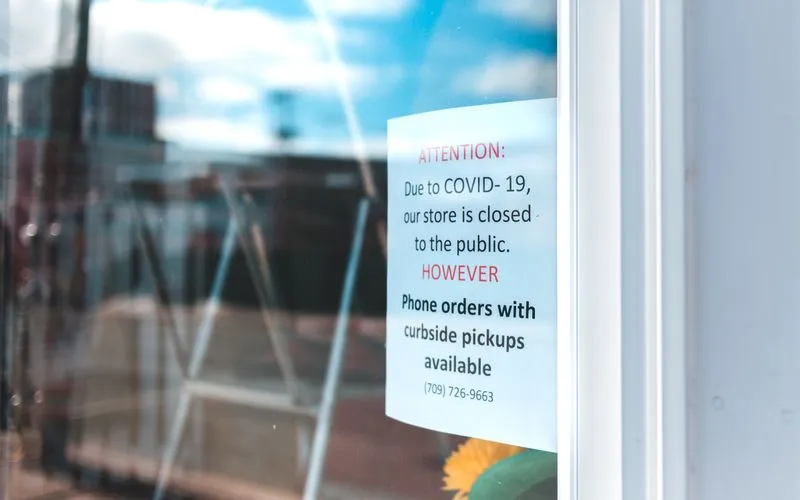
Curbside pickup started as an emergency workaround in 2020 and stuck around because it solved a real problem. How the model works and how to market it well.
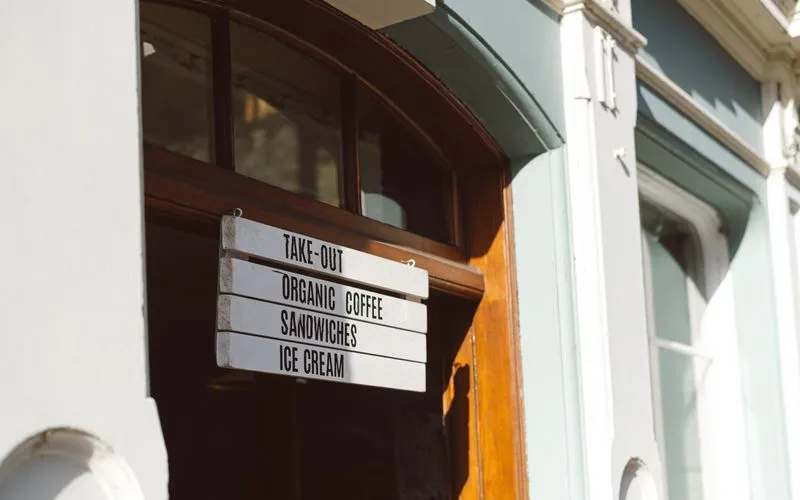
Curbside pickup started 2020 as a hurried workaround, something retailers stood up in weeks because stores had to close their doors to browsing customers. By the end of the year it had become something else: a genuine, permanent piece of how people wanted to shop, kept around not because stores had no choice but because it solved a problem shoppers had, well beyond the circumstances that forced it into existence.
Why it stuck once the emergency passed
Pickup and its close relative BOPIS (buy online, pick up in store) kept earning demand because they answered a few genuine customer wants at once. Getting something today beats waiting for shipping, especially for anything needed immediately. There’s no shipping cost or delay to plan around. Ordering from home and picking up on your own schedule, sometimes without even leaving the car for curbside specifically, is simply more convenient than a full browsing trip. And reserving online first means confirming the item is in stock before making the trip, removing the risk of showing up for nothing.
The deeper shift underneath all of that: pickup turns a retailer’s physical stores into local fulfillment points, giving them a speed advantage that a pure online competitor without local stores can’t easily match. A store stops being only a cost center and becomes part of the fulfillment network.
What has to work behind the scenes
Pickup only feels convenient if the operations underneath it are solid, and this is where a lot of retailers who rushed the launch in 2020 struggled. Inventory has to be accurate in real time at the specific store level, since nothing damages trust faster than an order confirmed online that turns out not to be on the shelf. Online and in-store systems need to be connected so an order routes to the right location and the right staff member without manual intervention. And the actual pickup moment needs to be smooth: a clear notification that the order is ready, an obvious spot to collect it and staff who aren’t fumbling to find what was set aside. That last stretch, the literal last few minutes of the transaction, tends to decide whether a customer becomes a repeat pickup user or goes back to ordering everything for delivery instead.
Marketing it well once the operations hold up
A lot of retailers built the capability in 2020 and then failed to tell customers it existed. Making pickup visible on product pages, in ads and at checkout matters, since plenty of customers simply don’t know it’s an option until they’re told. The messaging that resonates leans on the concrete benefits people care about: ready in an hour, no shipping cost, pick up on your own time. Local search intent, phrases like “in stock near me,” is a natural fit here, and local listings need to reflect real-time, store-level availability for that to pay off. And the pickup moment itself is a real opportunity, not just a handoff: customers who show up to collect an order are physically at the store, which is a natural point for a small add-on suggestion or an upsell that a pure delivery order would never create.
Why it’s worth the operational investment
Pickup commerce captures sales that pure e-commerce structurally loses, customers who want something today or won’t pay for shipping. It drives incremental in-store purchases at the moment of pickup. It’s cheaper to fulfill than shipping, since the customer handles the last mile themselves. It turns existing store leases into fulfillment assets instead of pure overhead. And customers who use more than one channel, buying online and picking up in person, tend to be more loyal and more valuable over time than customers confined to a single channel.
What to watch
Track the share of orders using pickup and whether that share is growing. Watch the incremental purchases happening at the pickup moment itself, since that’s real revenue the channel alone wouldn’t generate. Keep a close eye on inventory accuracy and how often a promised pickup order fails to be ready, since that failure rate quietly determines whether customers trust the option enough to use it again. And look at the pickup experience itself, the speed and smoothness of the actual handoff, since that’s the part customers remember.
Getting the sequence right
Get store-level inventory accuracy solid before promoting the option heavily, since a broken promise here does more damage than never offering pickup at all. Connect the online and in-store systems so orders route cleanly. Smooth out the actual pickup process with clear notifications and an obvious collection point. Only then promote it prominently, with messaging built around speed, no shipping cost and convenience. Done in that order, pickup commerce stops being a pandemic-era workaround and becomes a real, durable advantage that a pure online competitor simply doesn’t have access to.