A Practical Guide to Sustainable Marketing
The line between a defensible environmental claim and a greenwashing headline comes down to specificity and evidence. Here's how to stay on the right side.
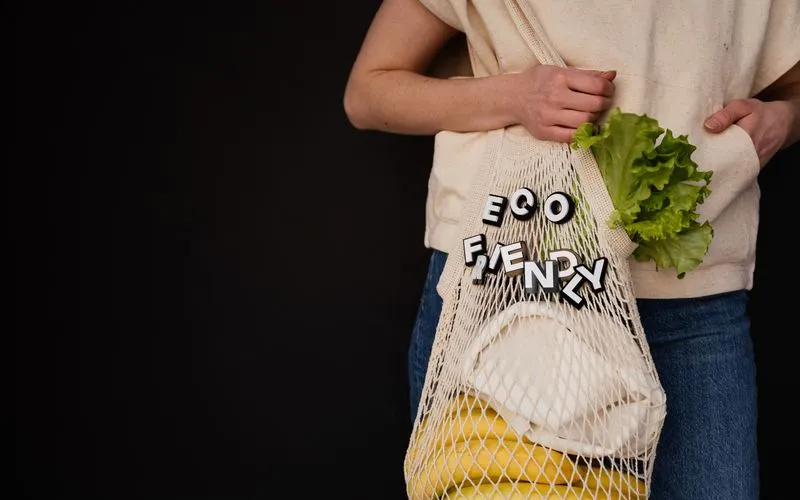
A sustainability claim lives or dies on one question: could you defend this specific sentence in front of a regulator or a skeptical journalist using evidence you already have. Most greenwashing isn’t intentional deception, it’s marketing copy that got vaguer with every round of edits until “reduced our packaging waste by sourcing 40% recycled cardboard for the flagship product line” turned into “eco-friendly packaging,” a phrase nobody can verify and everybody can attack.
Why vague claims became risky
Environmental marketing claims have drawn increasing regulatory attention in recent years. The FTC’s Green Guides in the US set out what substantiation regulators expect behind terms like “recyclable” or “compostable.” In the EU, a proposed Green Claims Directive aimed at requiring independent verification of environmental claims worked through the legislative process for the past couple of years, though 2025 brought a fresh wave of political pushback that stalled its progress, a reminder that the regulatory picture here keeps shifting rather than settling. What hasn’t shifted is the direction: unverifiable claims are being scrutinized more, not less, and the businesses caught out are usually the ones that reached for a vague, feel-good phrase instead of a specific, provable one.
The mechanical fix: specificity
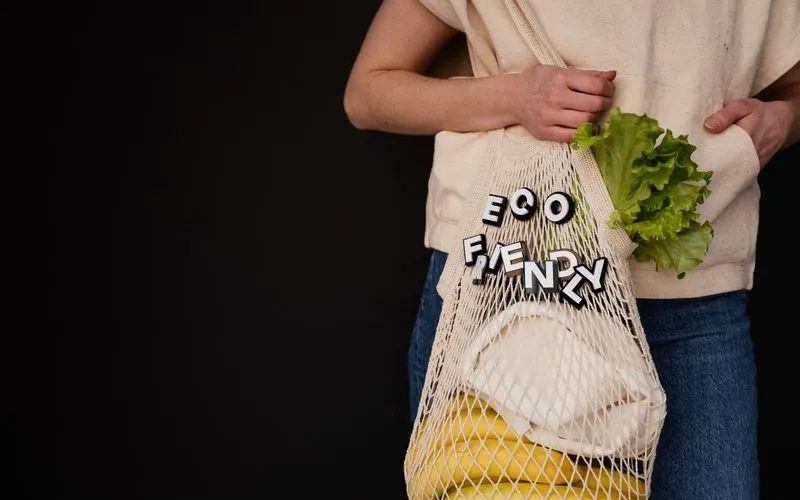
“Eco-friendly,” “green” and “natural” are marketing dead ends now, not because sustainability doesn’t matter to customers but because those words carry no verifiable content. A claim like “made with 60% recycled ocean-bound plastic” does two things a vague claim can’t: it gives a customer something concrete to evaluate, and it gives your legal team something concrete to defend. The rule of thumb that holds up under scrutiny is simple. If a claim can’t be traced to a specific number, certification or process, don’t publish it as written, narrow it until it can be.
Third-party certification does work your own word can’t
A claim you make about yourself carries less weight than one an independent body verifies. Certifications like B Corp, Fair Trade or FSC exist precisely because “trust us” has a low ceiling in this category. They’re not a substitute for genuine practice, a certification pasted onto a business that hasn’t done the underlying work is its own kind of greenwashing, but paired with real practice, they carry credibility a company’s own marketing copy structurally cannot.
Don’t hide the parts that don’t flatter you
A recyclable bottle from a company with a large, unaddressed carbon footprint elsewhere in its operations is a classic pattern regulators and customers have both gotten better at spotting: highlighting one good attribute while staying silent on a much larger negative. The more durable approach is to talk about where you stand, including the parts still in progress, rather than only the parts that photograph well. Customers respond better to “here’s our current footprint, here’s the plan, here’s the progress so far” than to a claim of having already arrived, which invites exactly the fact-checking that produces a greenwashing headline.
The gap between what people say and what they buy
Surveys consistently show more people say sustainability matters to their purchases than pay a premium or switch brands for it at the register. The practical response isn’t to distrust the surveys, it’s to design around the gap. Lead with the reason someone buys anything, price, quality, how well it works and let the sustainability credential be the tiebreaker rather than the entire pitch. Where possible, remove the trade-off altogether: when the sustainable option costs the same and performs the same, far more people choose it, because the choice no longer requires them to sacrifice anything to act on a value they already hold.
Marketing a stance is a different risk than marketing a claim
Beyond specific environmental claims, some brands market broader values, and that carries its own version of the say-do gap. A stance shown only during a relevant awareness week or news cycle, then dropped, reads as opportunistic and tends to draw more criticism than saying nothing at all. A stance backed by sustained action, visible year-round rather than performed on a schedule, is what builds the trust this kind of marketing is reaching for. It will also not please everyone, and that’s the trade a genuine stance makes, not a flaw to fix.
Every mechanism here points the same direction: say less than you’re tempted to, prove more than feels necessary and let the specifics carry the argument that a broad, comforting phrase never could.