A Practical Guide to Voice Search
Voice search changed how people phrase questions and how many answers come back, usually just one. Here is how to write for conversational search queries.
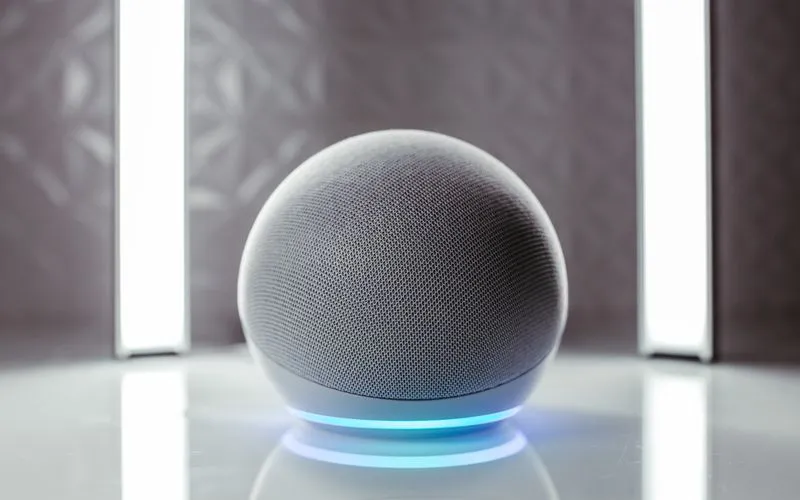
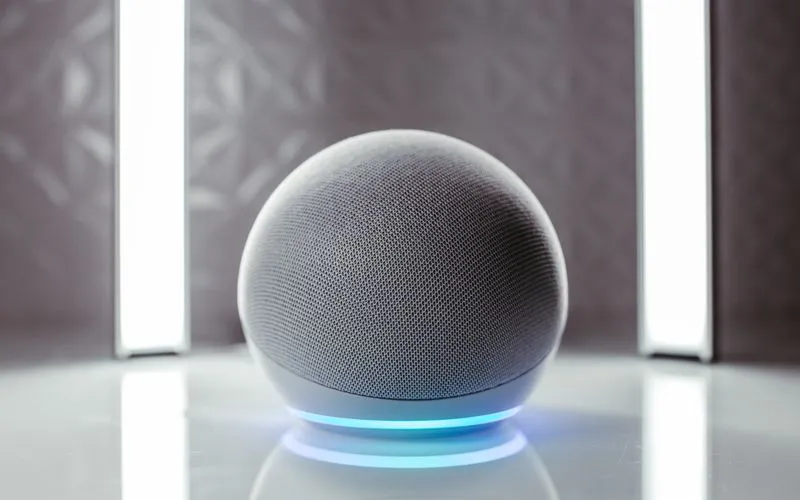
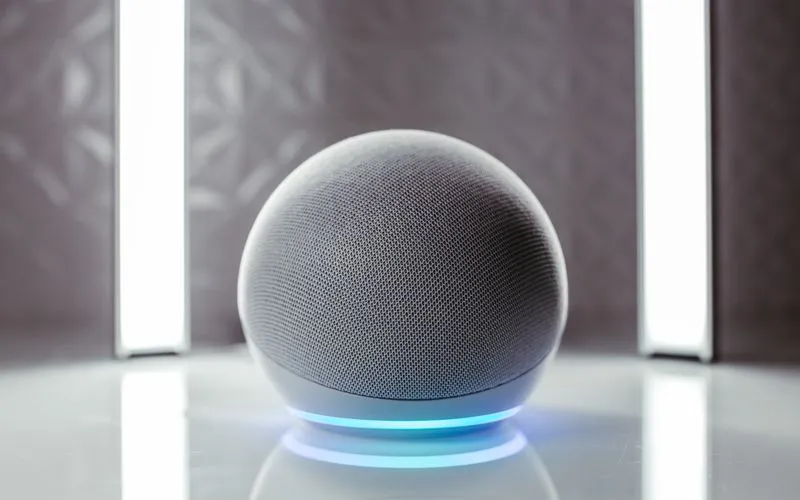
“Italian restaurant” typed into a search box becomes “what’s a good Italian restaurant that’s still open near me” spoken out loud to a phone or a speaker on the kitchen counter. That’s not a stylistic difference, it’s a completely different kind of query, and it comes with a much higher stake attached: instead of scanning a page of ten results, the person asking usually gets exactly one spoken answer back. There’s no scrolling past a bad match to find a better one further down the list.
Voice assistants had existed for years before this mattered commercially. What changed the calculation was hardware in enough homes to matter: Amazon’s Echo launched in late 2014 and Google followed with Google Home in 2016, putting a voice interface into millions of living rooms rather than just onto phones. By 2017 the habit of just asking out loud, instead of typing, had become common enough that ignoring it in an SEO strategy was a real gap.
Two things separate a spoken query from a typed one
Spoken queries are longer and phrased as actual questions rather than clipped keywords, the way a person talks rather than the shorthand typing trains you into. And they’re overwhelmingly answer-focused rather than list-focused: an assistant reads back one result, occasionally two, never ten. You’re either the answer given or you’re functionally invisible for that query.
There’s also a strong local and urgent flavor to a lot of voice search specifically, since a large share of it is people asking for something nearby, open now, on their phone, wanting to act soon.
Writing for a question that gets read aloud
The overlap with general SEO best practice is large, but a few things matter more here specifically. Structure content directly around the actual questions people ask, phrased the way someone would say them out loud rather than the way they’d type a keyword. Give a short, self-contained answer, something in the range of thirty to fifty words, right at the top of the relevant section, since an assistant reading back a wall of text isn’t going to happen. An FAQ-style structure, question as heading, direct answer immediately beneath, tends to work especially well for this.
Featured snippets deserve specific attention here, since a large share of voice answers get pulled straight from that boxed result. Optimizing to win a snippet, and optimizing to win a voice answer, are largely the same work.
Local details still carry outsized weight given how much voice search skews toward “near me” and “open now.” An accurate, complete Google Business Profile, a real base of reviews and consistent business information across the web feed directly into what an assistant says back when someone asks about a nearby option.
Measuring something that resists measurement
Voice search is hard to track directly, since assistants rarely report back which query led to which action. The practical workaround is watching the proxies instead: ownership of featured snippets for target questions, rankings for natural-language question queries and local visibility metrics like profile views and direction requests, all of which move in the same direction voice performance does even without a clean, direct number to point to.
The through-line to where search is heading
Voice search turned out to be an early, narrow version of a much bigger shift: people asking a system directly for an answer instead of browsing a list of links to find one themselves. The habits it demanded, natural-language questions, tight direct answers, being the one trusted source rather than one of ten options, are exactly the habits that now matter for AI-driven, answer-first search generally, whether the question arrived spoken or typed.
Getting good at writing for voice, in other words, was never about voice. It was early practice for a search experience where being chosen as the single answer matters more than being merely present.