Digital Business Marketing
AI

A Practical Guide to ChatGPT for Marketing

ChatGPT is the AI assistant most marketers reach for first. Here's how to actually get value from it — the genuinely useful tasks, how to prompt well, and the mistakes that produce generic, risky output.

By /

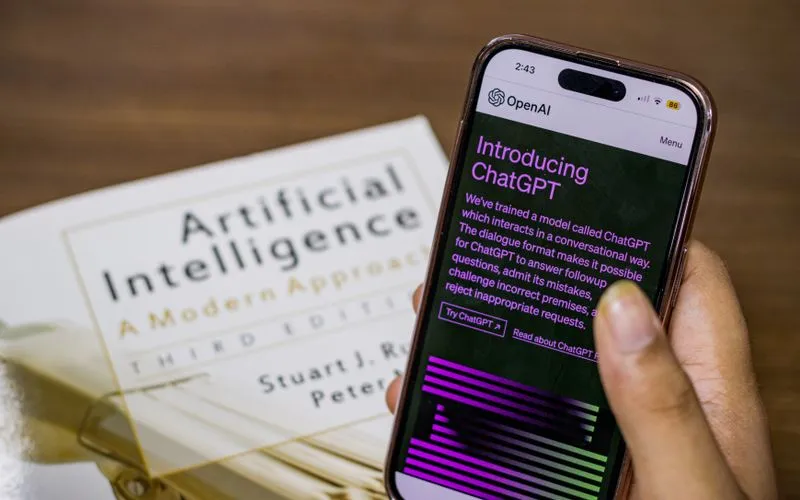
Featured image for “A Practical Guide to ChatGPT for Marketing”: ChatGPT for Marketing

ChatGPT put generative AI into the hands of every marketer overnight, and it remains the AI assistant most people reach for first. But there’s a wide gap between marketers who get genuine value from it and those who get generic, sometimes embarrassing output — and the difference is almost entirely in how they use it. ChatGPT is a remarkably capable assistant when you understand what it’s good at and how to direct it, and a generator of bland, occasionally wrong filler when you don’t.

This guide is practical: the marketing tasks ChatGPT genuinely helps with, how to prompt it well, and the mistakes to avoid. (For the underlying technology, see generative AI; for content-specific workflow, AI content creation.)

What ChatGPT actually is (and why it matters)

ChatGPT is a large language model — an AI that generates text by predicting what plausibly comes next, based on patterns in vast training data. Two practical implications shape everything about using it well:

  • It’s fluent but not factual. It produces confident, well-written text that can be entirely wrong (“hallucination”). It doesn’t look things up or know truth; it generates likely text. So verify anything factual.
  • It reflects the average of its training. Left to its own devices it produces generic, middle-of-the-road output. Getting something distinctive requires steering it hard.

Keep this mental model and you’ll avoid most of the ways marketers get burned.

The marketing tasks ChatGPT genuinely helps with

ChatGPT shines at assisting and accelerating, not replacing:

  • Beating the blank page — outlines, first drafts, angles, and structure to react to and refine.
  • Brainstorming and ideation — headlines, subject lines, campaign concepts, and content ideas in volume to choose from.
  • Rewriting and editing — adjusting tone, shortening, expanding, or repurposing existing content.
  • Summarizing and synthesizing — condensing research, articles, or transcripts (with verification).
  • Repurposing — turning one piece of content into many formats (a post into a thread, an email, talking points).
  • Research assistance and explanation — quickly understanding a topic or getting a starting framework (then verifying).
  • Analysis help — interpreting data you paste in, drafting reports, or generating simple structures.
  • Personalization at small scale — variations for different audiences or segments.

Notice the pattern: draft, ideate, transform, summarize — the assistant work that a human then shapes and verifies.

How to prompt ChatGPT well

Prompt quality is the single biggest determinant of output quality. The techniques that matter:

  • Give it context and a role. Tell it who it’s writing for, in what voice, and what the goal is. “Write a product description” gets generic output; “You’re writing for busy small-business owners; here’s our brand voice and the product’s key benefit…” gets something usable.
  • Be specific. Vague prompts get vague results. Include specifics, constraints, and what “good” looks like.
  • Provide examples. Show it examples of the style, format, or quality you want — one of the most effective techniques.
  • Iterate. Treat it as a conversation: get a draft, then refine (“make it more concise,” “add a specific example,” “less salesy”). The second and third passes are usually far better than the first.
  • Feed it your material. Give it your notes, data, or brand guidelines to work from, so it’s building on your substance rather than generic knowledge.

Good prompting is the skill; the model rewards specificity, context, and iteration.

The mistakes that burn marketers

  • Publishing raw output. Unedited ChatGPT text is generic and can be wrong. Always edit, verify, and add genuine value.
  • Trusting facts. It invents statistics, sources, and details confidently. Verify everything.
  • Expecting originality. It averages its training — your expertise, data, and voice are what make output distinctive.
  • Mass-producing content. Using it to churn out volume triggers SEO penalties and produces junk.
  • Feeding it confidential data. Don’t paste sensitive customer or company data into public tools; mind privacy.
  • One-and-done prompting. Accepting the first output instead of iterating leaves most of the value on the table.

Where ChatGPT fits in your workflow

Think of ChatGPT as a fast, tireless junior assistant: great for drafts, ideation, and grunt work, but requiring direction, editing, fact-checking, and your expertise on top. It augments a skilled marketer’s speed and output; it doesn’t replace the judgment, strategy, originality, and quality control that make marketing work. Used that way — and connected to the broader generative AI strategy and governance your business needs — it’s one of the most useful tools in the kit.

What to measure

  • Time saved on drafting, ideation, and repetitive tasks.
  • Output quality vs. your standard — after human editing, does it meet the bar?
  • Iteration efficiency — getting to usable output quickly through good prompting.
  • Error/correction rate — how much needs fixing, a check on how much to trust it.
  • Business outcomes — whether AI-accelerated work actually improves results, not just speed.

Frequently asked questions

What is ChatGPT good for in marketing?

Assisting and accelerating tasks a human then shapes: beating the blank page with outlines and drafts, brainstorming headlines and ideas in volume, rewriting and adjusting tone, summarizing research, repurposing content into multiple formats, and helping interpret data. It excels at draft-ideate-transform-summarize work — not at producing finished, factual, authoritative content unsupervised, since it’s fluent but not factual and tends toward generic output.

How do I write good prompts for ChatGPT?

Give it context and a role (who it’s writing for, in what voice, toward what goal), be specific with constraints and examples of what “good” looks like, provide your own material and brand guidelines to work from, and iterate like a conversation — refining the draft over several passes. Prompt quality is the biggest determinant of output quality; specificity, context, examples, and iteration turn generic output into something usable.

Can I trust ChatGPT’s facts and statistics?

No — verify everything factual. ChatGPT generates plausible-sounding text by predicting what comes next, not by looking things up, so it confidently invents statistics, sources, quotes, and details (“hallucination”). It’s fluent but not factual. Any specific claim, number, or citation must be independently checked before you rely on or publish it, since publishing its fabrications damages credibility.

Should I publish content straight from ChatGPT?

No — never publish raw, unedited output. It’s generic, tends toward the average of its training, and can contain factual errors, and mass-producing AI content triggers SEO penalties. Treat ChatGPT output as a first draft: edit for quality and voice, fact-check every claim, and add genuine expertise, data, and a point of view that make it original and worth reading.

The bottom line

ChatGPT is the AI assistant most marketers reach for first, and it delivers genuine value — but only when you understand what it is (a fluent, non-factual pattern-completer) and use it accordingly. It excels at drafts, ideation, rewriting, summarizing, and repurposing: the assistant work a skilled human then directs, edits, verifies, and elevates.

Prompt it well with context and specifics, iterate, feed it your own material, and always add expertise and fact-checking on top. Treat it as a fast junior assistant rather than an autonomous expert, and ChatGPT becomes one of the most useful tools in marketing — instead of a generator of generic, risky filler.


Keep exploring: see generative AI, AI content creation, and generative AI strategy, or browse the Digital Business Marketing Awards.

Newsletter

The marketing brief, every week

One email a week: the sharpest new guides, tool reviews, and Awards updates. No fluff, unsubscribe anytime.

We respect your inbox. Read our approach.

Keep reading

Related articles

All AI →

Explore more topics