A Practical Guide to Live Shopping
Live shopping blends live video, entertainment, and instant purchase into a powerful selling format — huge in Asia and growing everywhere. Here's how it works, why it converts, and how to run a live show that sells.
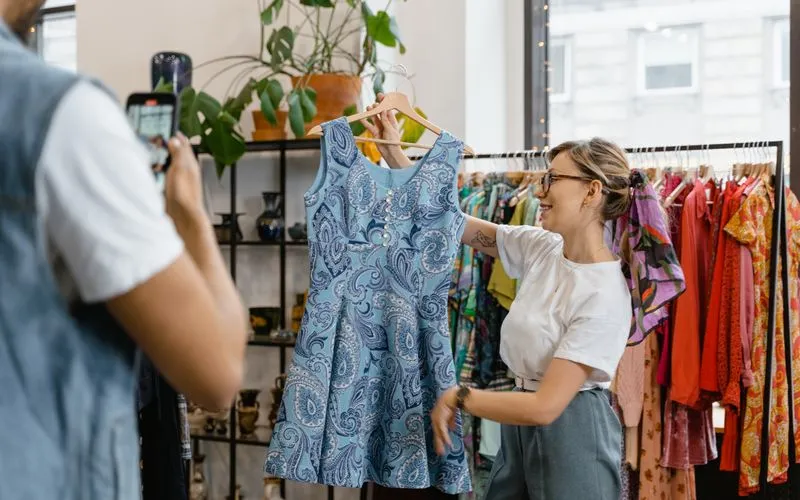
Live shopping — live-streamed video where a host showcases products viewers can buy instantly during the broadcast — is one of the most powerful selling formats of the social era. It fuses the reach and entertainment of live video, the trust of a demonstration, the urgency of a time-limited event, and the frictionless immediacy of in-stream purchase. In China it’s a massive, mature channel driving enormous sales; across the rest of the world it’s growing steadily as platforms build out the tools. For the right products, few formats convert like it.
This guide covers how live shopping works, why it converts so well, and how to run a live show that actually sells. (It’s a specific, high-impact form of social commerce.)
Why live shopping converts
Live shopping combines several psychological and practical drivers that rarely come together:
- Demonstration builds confidence. Seeing a product shown, used, and explained in real time answers the questions that block online purchases far better than photos and text.
- Real-time interaction. Viewers ask questions and get answers live, resolving doubts instantly — like a knowledgeable salesperson, at scale.
- Urgency and scarcity. Limited-time offers, live-only deals, and limited stock create genuine urgency that drives immediate action, not “I’ll think about it.”
- Entertainment and personality. A good host makes it engaging and fun, holding attention in a way a static product page never could — commerce as content.
- Frictionless purchase. Buying happens right there, in-stream, at peak interest — no leaving to find the product later (where intent evaporates).
Together these compress discovery, consideration, and purchase into one entertaining, high-urgency moment — which is why conversion rates for live shopping can far exceed normal e-commerce.
Where it works (and where it doesn’t)
Live shopping suits some products and audiences much better than others:
- Great fit: visually demonstrable products (beauty, fashion, gadgets, home, food), impulse-friendly items, products that benefit from explanation or demonstration, and audiences comfortable with the format.
- Weaker fit: complex high-consideration B2B purchases, products that don’t demonstrate visually, and audiences not inclined toward live, social buying.
Know your product and audience before investing — live shopping rewards the right fit and disappoints the wrong one.
The formats and channels
Live shopping happens across several venues:
- Social platforms — live shopping features on TikTok, Instagram, Facebook, and others, meeting audiences where they are with built-in discovery.
- Dedicated live-shopping platforms and apps — purpose-built for the format.
- Your own site/app — embedding live shopping into your owned channels for control.
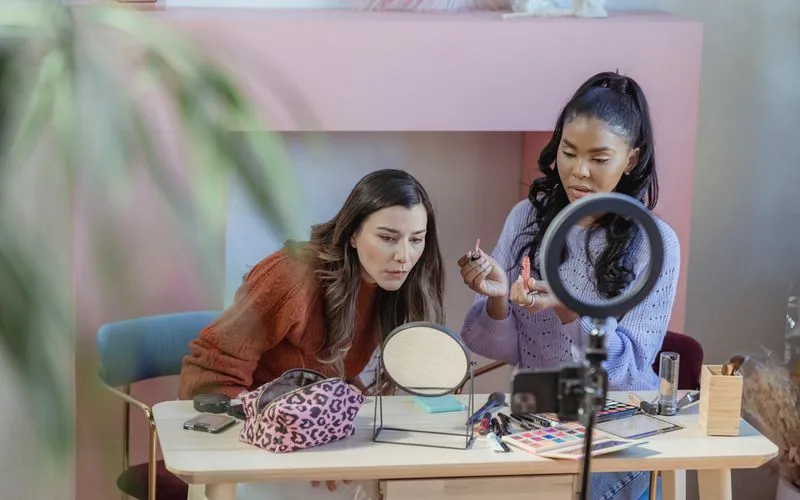
- Creator-hosted — partnering with creators/influencers to host, combining their trust and audience with live selling — often the most effective approach, since the host’s credibility drives conversion.
How to run a live show that sells
The difference between a live show that converts and one that flops:
- A strong, engaging host. The host makes or breaks it — energy, product knowledge, authenticity, and the ability to interact and entertain. A dull host kills conversion regardless of the product.
- Entertain, don’t just pitch. Treat it as a show, not a QVC-style hard sell for an hour. Genuine engagement, storytelling, and fun hold viewers.
- Genuine interaction. Actively answer questions, acknowledge viewers, and make it participatory — the real-time connection is a core advantage; use it.
- Real urgency, honestly. Time-limited offers and live-only deals drive action — but keep them genuine; fake scarcity erodes trust.
- Frictionless buying. Make purchasing in-stream as seamless as possible, so peak interest converts before it fades.
- Promote the event. Build anticipation beforehand so you have an audience when you go live — a live show with no viewers sells nothing.
- Deliver on fulfillment. The instant sale still needs reliable delivery, or the impulse purchase becomes an impulse regret.
What to measure
- Conversion rate during the stream — how well viewers turn into buyers, the core signal.
- Viewership and engagement — attendance, watch time, and interaction (questions, comments).
- Sales per stream and average order value — the direct revenue outcome.
- New vs. returning customers — whether live shopping drives new business.
- Cost per stream vs. revenue — the ROI, factoring host, production, and promotion costs.
- Return and satisfaction rates — since urgency-driven impulse buying can raise returns if expectations aren’t set well.
A practical starting plan
- Confirm product-audience fit — visually demonstrable, impulse-friendly products and a receptive audience.
- Choose a channel — a social platform’s live shopping feature is the easiest start; consider a creator host for their trust and audience.
- Plan an engaging show, not a hard sell — a strong host, real interaction, and entertainment, with genuine live-only urgency.
- Make in-stream buying frictionless and promote the event beforehand to ensure an audience.
- Measure stream conversion and ROI, ensure reliable fulfillment, and refine the format based on what engages and sells.
Frequently asked questions
What is live shopping?
Live shopping is live-streamed video where a host showcases products that viewers can buy instantly during the broadcast. It combines the reach and entertainment of live video, the trust of a real-time product demonstration, the urgency of a time-limited event, and frictionless in-stream purchasing. Massive and mature in China, it’s growing worldwide as social platforms build out live-shopping tools.
Why does live shopping convert so well?
Because it combines several powerful drivers at once: real-time demonstration builds confidence, live interaction answers doubts instantly, limited-time offers create genuine urgency, an engaging host makes it entertaining, and in-stream purchasing captures buyers at peak interest before they leave. Together these compress discovery, consideration, and purchase into one high-urgency moment, producing conversion rates that can far exceed normal e-commerce.
What products work best for live shopping?
Visually demonstrable, impulse-friendly products — beauty, fashion, gadgets, home goods, and food — that benefit from being shown, used, and explained, sold to audiences comfortable with social, live buying. It works less well for complex high-consideration or B2B purchases and products that don’t demonstrate visually. Confirming product-audience fit before investing is essential, since live shopping rewards the right fit and disappoints the wrong one.
How do I run a successful live shopping event?
Feature a strong, engaging, knowledgeable host (who makes or breaks it), treat it as an entertaining show rather than an hour-long hard sell, actively interact with viewers by answering questions in real time, create genuine (not fake) urgency with live-only offers, make in-stream buying frictionless, promote the event beforehand to ensure an audience, and deliver reliable fulfillment so impulse purchases don’t become regrets.
The bottom line
Live shopping is one of the most powerful selling formats of the social era because it fuses things that rarely combine: demonstration, real-time interaction, urgency, entertainment, and frictionless instant purchase — compressing the whole funnel into one engaging moment. For visually demonstrable, impulse-friendly products and receptive audiences, few formats convert like it.
Confirm your product-audience fit, choose the right channel (often with a trusted creator host), run a genuinely engaging show rather than a hard sell, make buying frictionless, and deliver on fulfillment. Get it right, and live shopping turns entertainment into some of the highest-converting selling you can do.
Keep exploring: see social commerce, creator partnerships, and short-form video, or browse the Digital Business Marketing Awards.